


This blog post is only relevant to V14. The 3CX Phone System is designed to be multi-lingual. Each text element in the 3CX Management Console is stored in a file and referenced from this file. By creating a localized copy of this file, it is possible to easily translate the interface and allow users to select the preferred language option. You may then be able to choose the lan [...]

3CX is now providing additional free training Webcasts on more advanced topics, and the next one is scheduled for Thursday 25 March 2010 at 1500hrs (GMT+1). This will be presented via Microsoft Live Meeting using its built-in VoIP for audio – so there will be no need to call into a conference call number. To Join the Webcast: Go to https://www.livemeeting.com/cc/meetwith3cx/joi [...]
Edit 16th September 2015: Please note that 3CX Phone System only works with MS Exchange Server 2013 and 2013 SP1 DTMF (dual tone multi frequency) is the signal to the phone company that you generate when you press an ordinary telephone's touch keys. In the United States, it's known as a "Touchtone" phone. DTMF has generally replaced loop disconnect ("pulse") dialling. With DTMF [...]

Helping our Partners build their business and revenue 3CX Asia/Pacific recently hosted a partner training day at Microsoft Australia headquarters in Sydney Australia. Partners were free to come to this whole day event and all parts of the 3CX system were discussed. Some partners stayed behind at the end of the day and tried their hand at the 3CX certification. . An XBOX 360 &a [...]
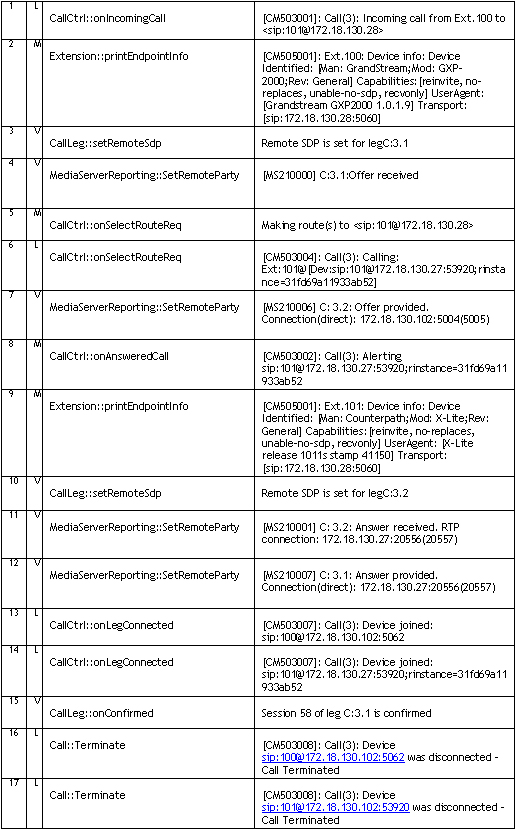
Introduction This chapter gives you an overview of how a call is established within 3CX and how you can trace through these steps by reading the server activity log. The Server activity log can be accessed by clicking on the Server Activity Log node in the 3CX Management Console. This server status log lists all important events that 3CX Phone System is processing, and is the m [...]

The 3CX Phone System IVR service is based on VXML and therefore integrates with the web server that you have chosen to use with 3CX. If there are problems with the web server integration, the IVR service may return the following prompt - “The call cannot be completed at this time. Sorry”. This article describes what you can check if you are running IIS. In some cases, other app [...]
This article helps you recover from Backup and Restore Errors including some tips to make this operation quick and seamless: The option "Include voice prompts and music on hold" should be enabled in the 3CX backup and Restore Tool. This will ensure that all your custom and system prompts along with voicemail intro-prompts are fully backed up and eventually restored. Delete an [...]

This guide describes the different caller ID formats and how to alter /rewrite the caller ID before it gets sent to the Telecoms provider when using beroFix VoIP Gateway cards. In this document we will use a German number (National code +49) from Dusseldorf (area code 0211) as an example how to format the caller ID: A telephone line-number (TelN) 12345600 (where "00" are the op [...]

This article explains the main fields included in a SIP INVITE, which is sent to set-up a VoIP call. A SIP INVITE message contains typically between 4 and 6 header entries with contact information inside them. Different devices or providers use these headers in different ways and therefore, an understanding of the “normal” scope of these headers, together with a close analysis [...]

With a Beronet Card, and proper configuration, you are able to choose the exact line/port from which to dial out. This feature is requested for lines that have different MSN/DID/DDI numbers. In addition it is useful for companies that are sharing a PBX and want to have each company use their telephone line to ensure transparent billing. This article explains how to configure th [...]

 Copyright © 2026